




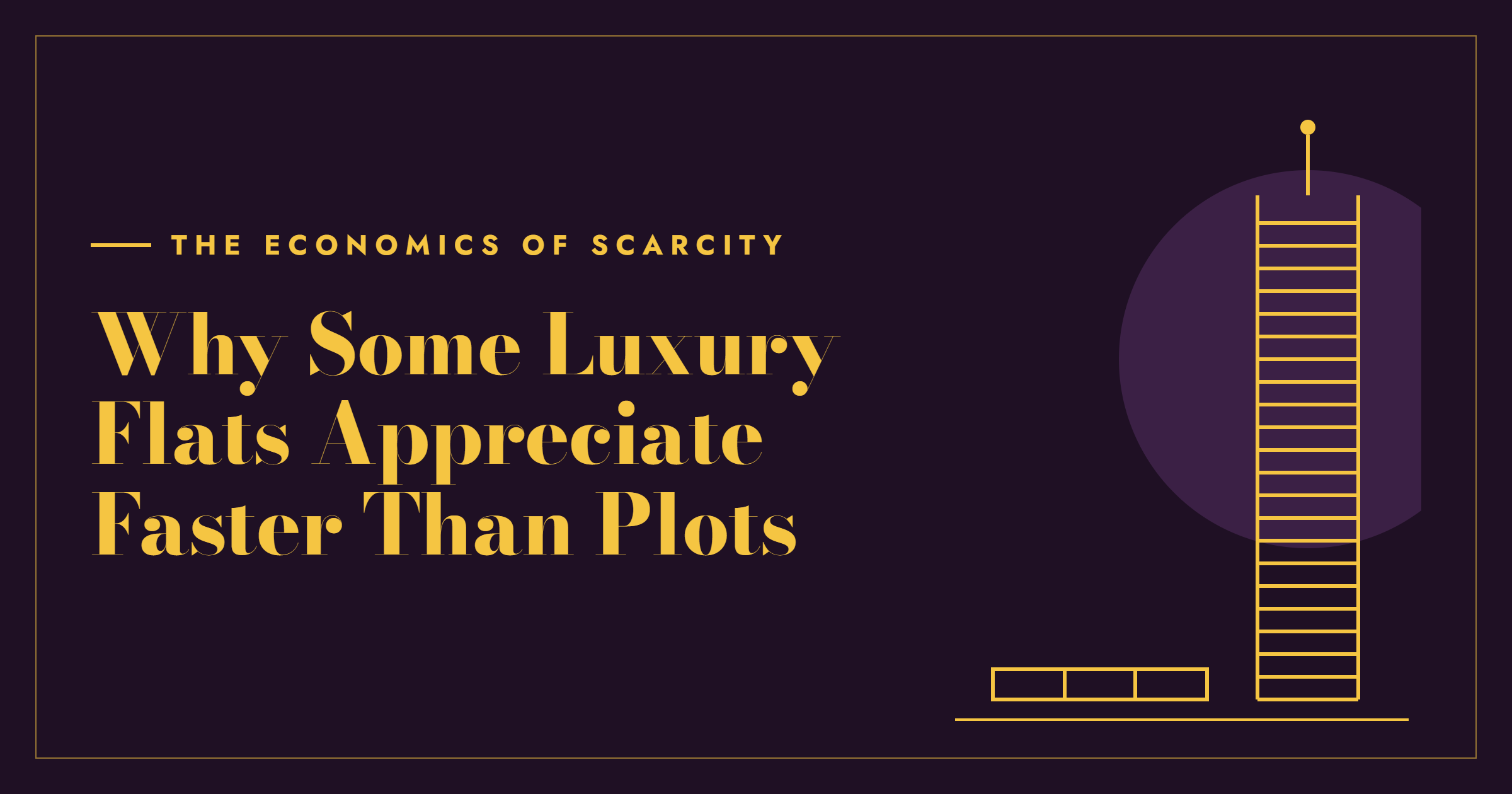
Why Some Luxury Flats Appreciate Faster Than Plots: The Economics of Scarcity
By Senior Real Estate Strategists & Financial Analysts
For decades, conventional real estate wisdom held a single unshakeable rule: land always appreciates faster than built structures. Investors believed that buying a plot of land was the ultimate hedge against inflation, while apartments were viewed as depreciating physical assets sitting on undivided land shares.
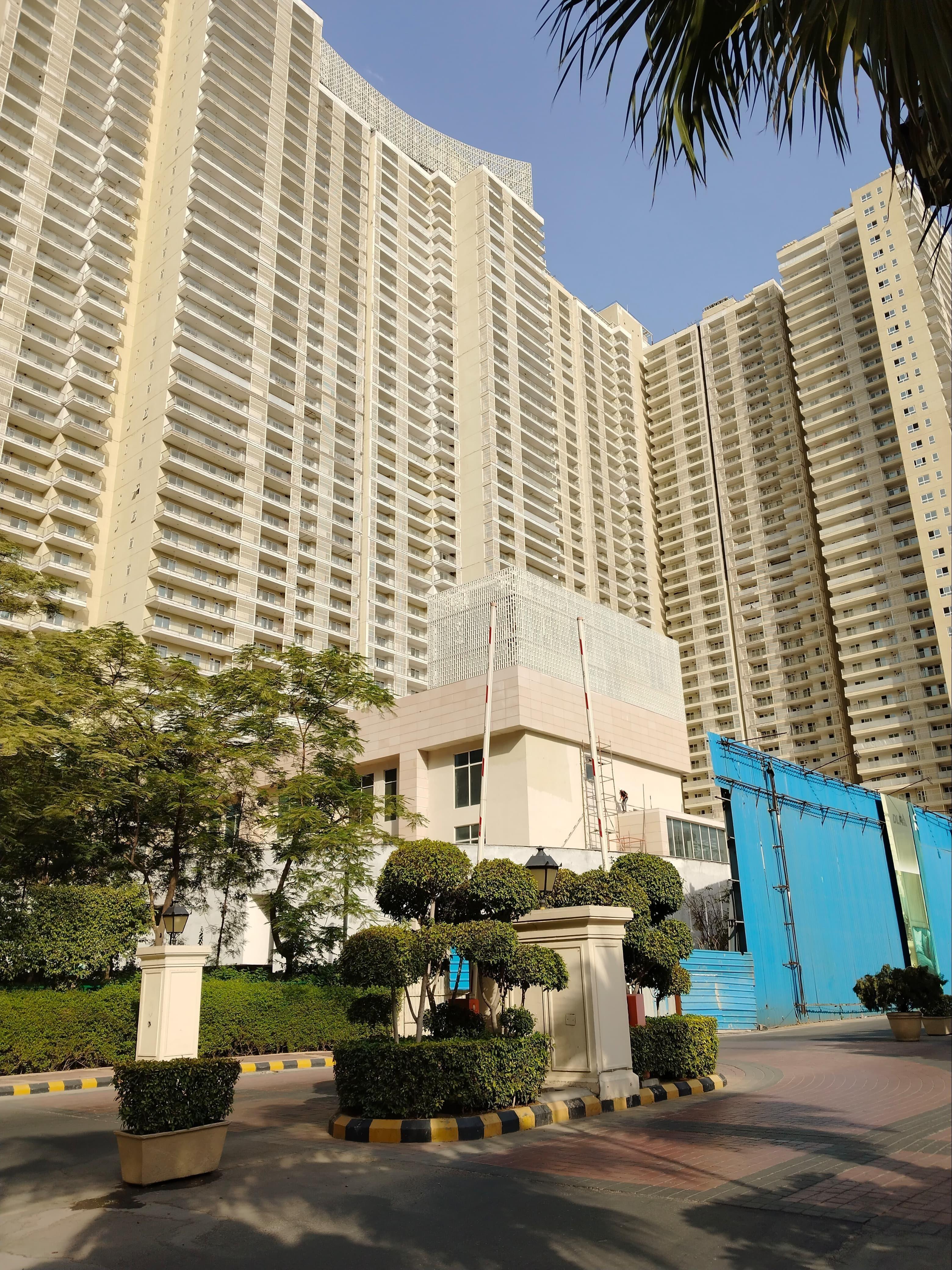
However, modern urban economics has upended this traditional doctrine. In prime metropolitan corridors, such as Golf Course Road and Golf Course Extension Road in Gurgaon, Central Mumbai, and South Delhi, ultra-luxury high-rise flats consistently outperform plotted developments in capital appreciation and compound annual growth rates (CAGR). Understanding why this shift occurs requires a deep dive into the economics of artificial scarcity, vertical ecosystem value, and changing buyer demographics.
|
EXECUTIVE SUMMARY |
1. The Concept of Artificial and Location Scarcity
Land in a prime metropolitan hub is finite. Once a core urban corridor matures, acquiring a contiguous multi-acre land parcel for new development becomes virtually impossible. This creates absolute physical scarcity.
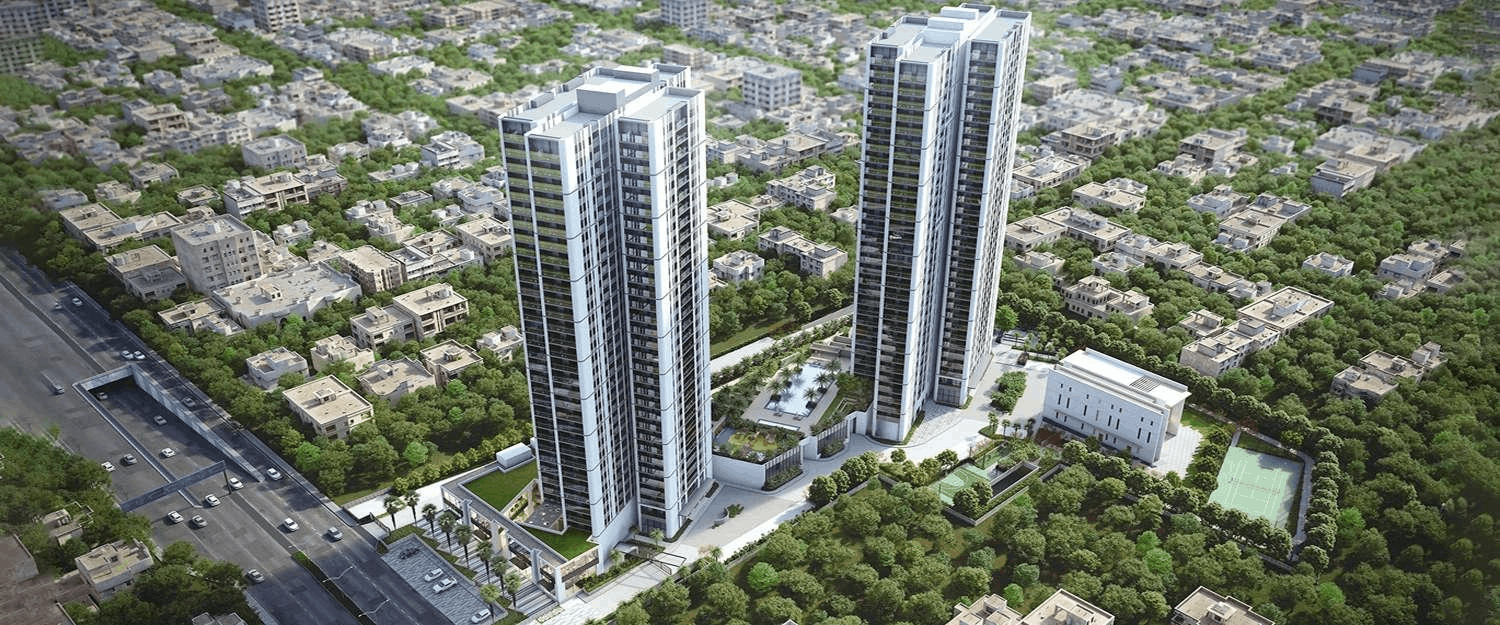
When a Tier-1 developer secures a prime land parcel along a major express corridor and builds a low-density, ultra-luxury high-rise enclave, they create 'packaged scarcity.' Buyers are not merely purchasing square footage of concrete; they are acquiring exclusive rights to an unrepeatable micro-location surrounded by world-class urban infrastructure.
2. The Ecosystem Premium: Infrastructure Plots Cannot Replicate
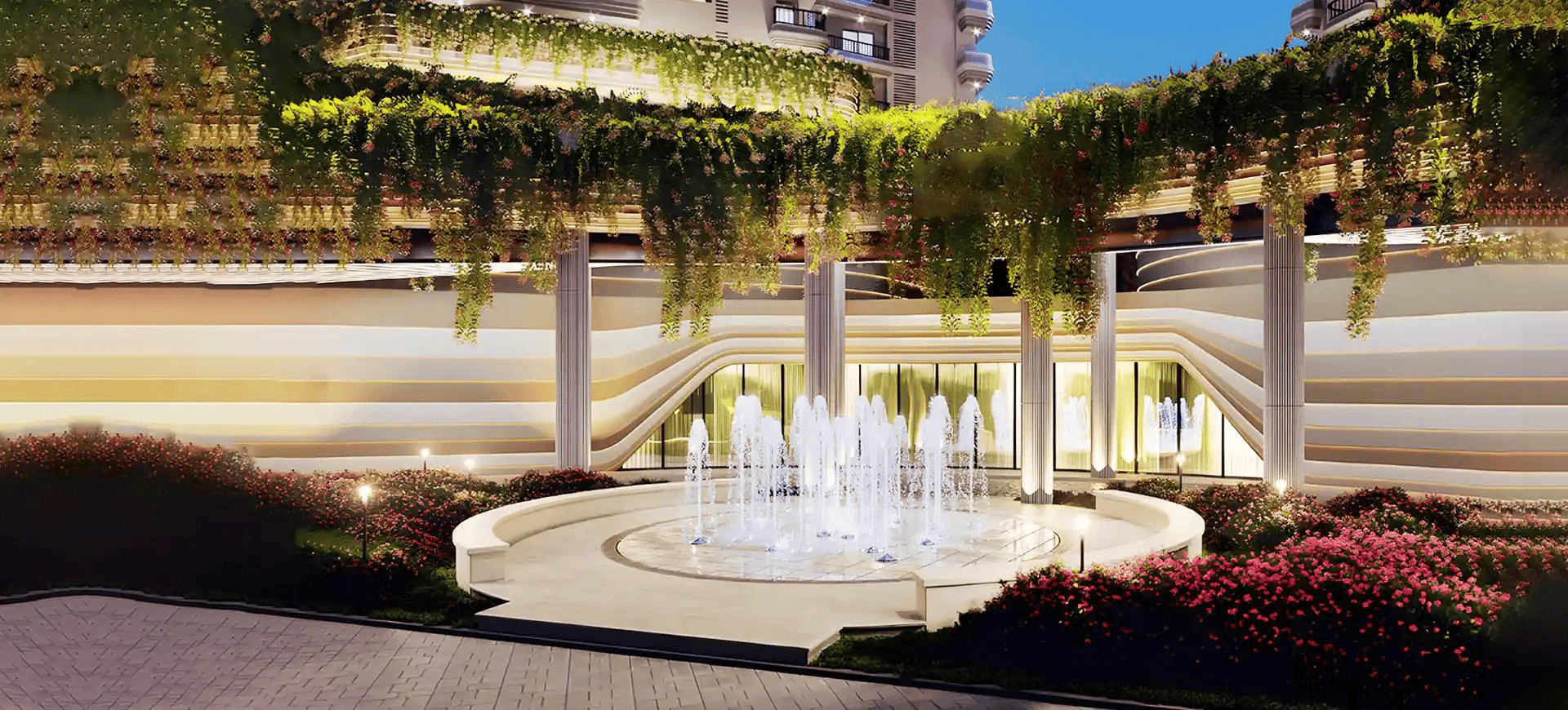
A standalone plot of land requires the owner to manage security, utility connections, boundary protection, construction approvals, and ongoing maintenance independently. In contrast, a modern luxury apartment complex delivers an integrated lifestyle ecosystem that adds a permanent economic premium.
Economic Comparison: Luxury High-Rise Flats vs Residential Plots
|
Value Driver |
Luxury High-Rise Apartments |
Standalone Residential Plots |
|
Amenities & Security |
100,000+ sq. ft. clubhouses & multi-tier RFID |
Self-managed gate security & basic local parks |
|
Rental Yields |
High rental demand from corporate executives |
Low to zero yields without heavy building capital |
|
Maintenance Quality |
Professional facility management agencies |
Variable neighborhood upkeep dependent on RWA |
|
Resale Liquidity |
Instant market demand for ready luxury units |
Niche buyer pool requiring custom construction |
3. Corporate Rental Yields and End-User Demographics
High-net-worth individuals, C-suite executives, and expatriates increasingly demand turn-key, secure, and hassle-free living. They prefer high-rise luxury enclaves over constructing independent homes on plots, which involves navigating municipal permits, architect delays, and contractor management.
• Cash Flow Generation: Luxury apartments generate strong monthly rental yields, effectively subsidizing holding costs and multiplying overall return on investment (ROI).
• Brand Capital Equity: Tier-1 developer branding acts as a stamp of trust, ensuring continuous demand in the secondary resale market.
Conclusion: The Shift Toward Lifestyle and Capital Scarcity
While land remains a fundamental asset class, the real estate market increasingly rewards turn-key luxury, institutional maintenance, and lifestyle ecosystem security. For investors seeking both capital appreciation and high liquidity, luxury flats in master-planned prime corridors represent a superior modern growth vehicle.
Frequently Asked Questions (FAQ)
Q: Why do some luxury flats appreciate faster than residential plots?
Luxury flats appreciate faster than plots in prime urban locations because they offer unrepeatable micro-locations, turnkey resort amenities, professional facility management, and high security. These integrated benefits attract affluent buyers and corporate tenants, driving strong end-user demand and rapid secondary-market capital appreciation.
Q: Does developer brand reputation impact apartment appreciation rates?
Yes, developer brand reputation significantly impacts long-term capital growth. Tier-1 developers consistently maintain high construction standards, deliver projects on schedule, and provide professional facility management. This builds strong brand equity, attracting wealthy buyers who are willing to pay premium prices in secondary resale markets.
Q: How do rental yields affect the total return on luxury flats vs plots?
Luxury flats generate immediate, high rental yields from corporate executives and expatriates, producing consistent cash flow that offsets holding costs. Plots usually yield zero income unless you invest substantial capital to build structures, making luxury flats far superior for total investment returns and cash-flow generation.
Q: Are luxury apartments easier to sell than residential plots?
Yes, luxury apartments generally offer higher liquidity than residential plots. They appeal to turn-key buyers, investors, and corporate tenants who want immediate occupation without building hassles. Plots require specialized buyers willing to manage custom architectural design, municipal approvals, and complex construction timelines.
Q: What role does location scarcity play in luxury flat appreciation?
Location scarcity occurs when prime land in major business corridors is completely developed. When a Tier-1 developer builds a luxury high-rise in these finite areas, location scarcity combined with integrated lifestyle amenities creates lasting demand, causing resale prices to surge over time.