




REAL ESTATE VALUATION & INVESTMENT STRATEGY GUIDE
The Land-to-Structure Ratio: The Hidden Driver of Property Appreciation
By Senior Real Estate Strategists & Asset Valuation Analysts
When evaluating a home or real estate investment, most buyers focus on visual details: marble countertops, high-end kitchen fittings, expansive glass balconies, or designer lighting. While these structural elements make a property attractive today, they are actually depreciating physical assets. The true long-term driver of real estate wealth creation lies hidden beneath the surface: the land-to-structure ratio.
Understanding how land value and structural value interact is the key to predicting long-term capital appreciation. Land inherently appreciates over time due to population growth, urban development, and finite supply. Structures, on the other hand, gradually depreciate as building materials age and architectural trends evolve. Master real estate investors leverage the land-to-structure ratio to evaluate whether a property will build lasting wealth or stagnate in value.
|
⚖️ EXECUTIVE SUMMARY |
1. Understanding the Core Formula: Land Value vs Structural Deprecation
Every property purchase represents a combination of two financial assets: the underlying land component and the physical building structure. The land-to-structure ratio measures the proportion of total property value represented by the land versus the building itself.
Mathematically, a property priced at $1,000,000 where the land is worth $700,000 and the building is worth $300,000 has a 70:30 land-to-structure ratio. Because land appreciates while buildings lose physical value over time, properties with a higher land value percentage experience far stronger net capital growth over a ten-to-twenty-year horizon.
2. How Undivided Share of Land (UDS) Works in Apartments
A common misconception among home buyers is that apartment owners do not own land. In reality, every apartment unit holds an Undivided Share of Land (UDS). UDS represents your proportional ownership of the entire land parcel on which the residential complex is built.
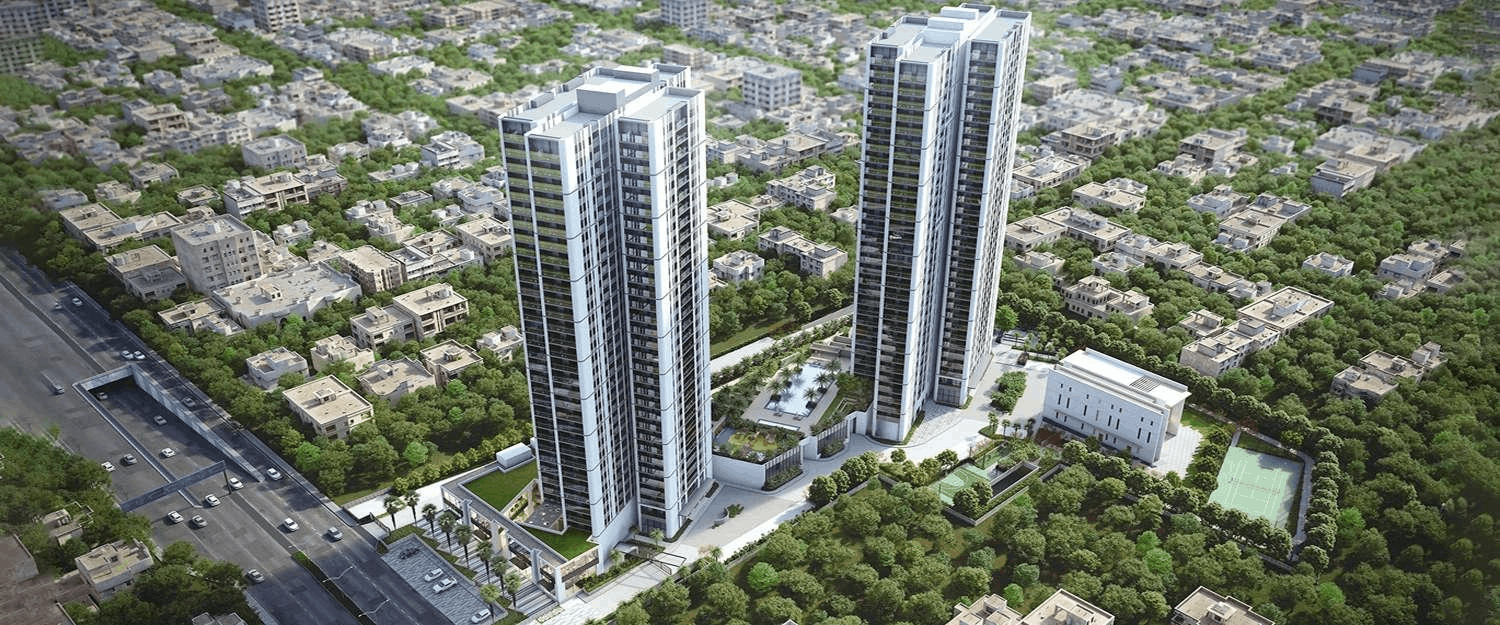
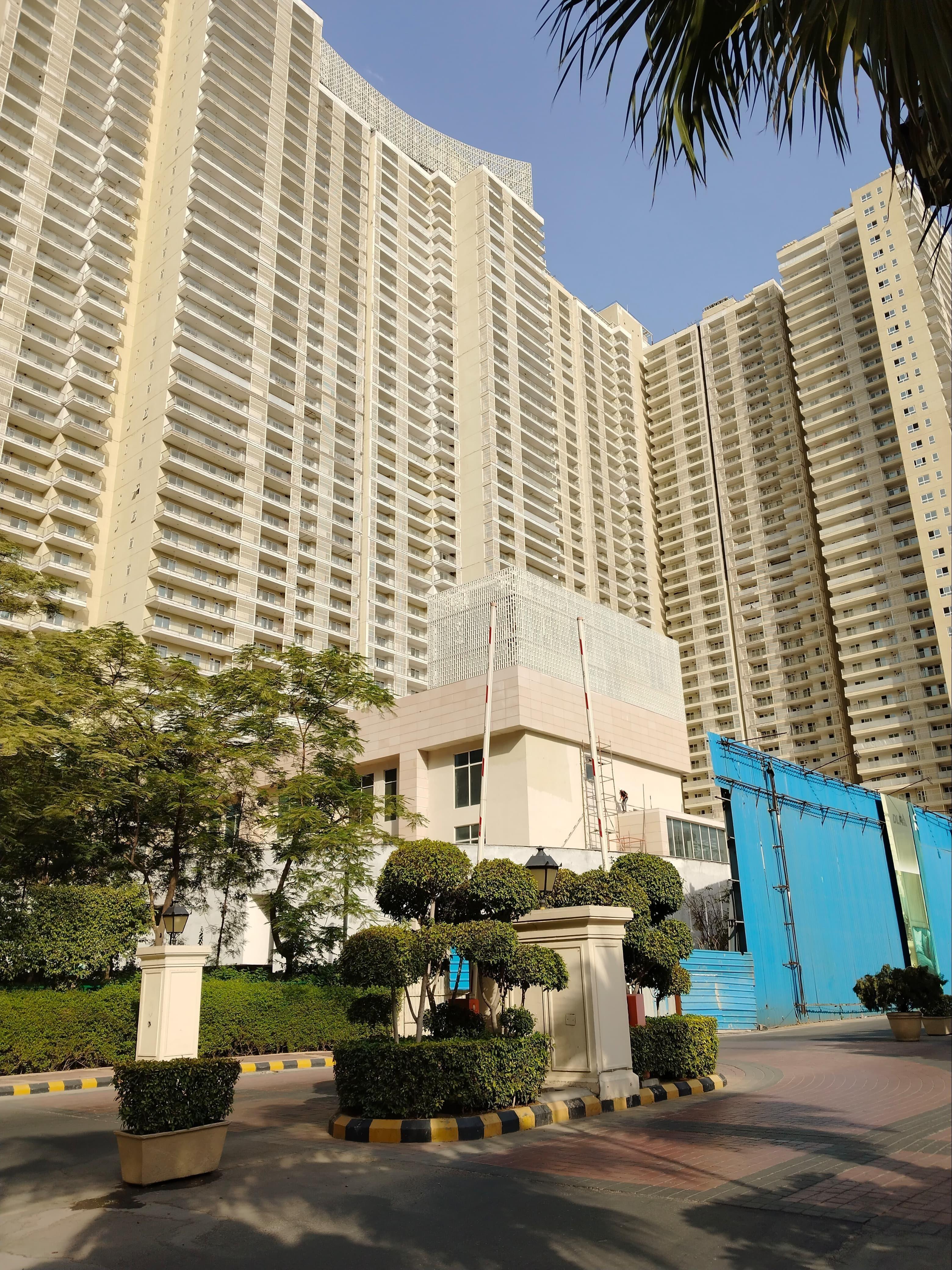
In low-density luxury high-rise developments—where a large multi-acre land parcel holds a relatively small number of total units—each homeowner holds a significantly larger UDS. This high land share provides a powerful hedge against building depreciation, allowing premium apartments in prime urban corridors to appreciate almost as fast as independent homes.
Land-to-Structure Ratio Dynamics Across Property Types
|
Property Profile |
Typical Land-to-Structure Ratio |
Long-Term Appreciation Outlook |
|
Independent Plot / Villa |
70:30 to 80:20 (High Land Value) |
Maximum capital growth driven by direct land ownership |
|
Low-Density Luxury Flat |
50:50 to 60:40 (High UDS Share) |
Strong capital growth due to high land share & prime location |
|
High-Density Standard Flat |
20:80 to 30:70 (Low UDS Share) |
Moderate growth; highly vulnerable to building aging |
|
New Luxury High-Rise |
40:60 (High Ecosystem Value) |
High initial growth driven by brand, location & demand |
3. Evaluating the Ratio Before Buying
To protect your financial capital and maximize appreciation, apply these three rules during your home search:
• Calculate Undivided Land Share: Always ask the developer or seller for the exact UDS area in square feet. Divide total land parcel size by total built units to gauge land density.
• Avoid Over-Improved Structures: Buying the most expensive house on a cheap plot of land results in rapid depreciation, as surrounding lower land values drag down total returns.
• Target High-Growth Land Corridors: Focus on developing infrastructure corridors where underlying land values increase rapidly year after year due to commercial expansion.
Frequently Asked Questions (FAQ)
Q: What is the land-to-structure ratio in real estate?
The land-to-structure ratio measures the proportion of a property's total market value that comes from underlying land versus physical building construction. Properties with higher land value percentages appreciate significantly faster over time because land appreciates continuously while physical building structures depreciate with age and wear.
Q: Why does land appreciate while building structures depreciate?
Land appreciates because its supply is fixed and urban demand continuously increases as cities grow. In contrast, building structures suffer physical wear, tear, and stylistic obsolescence over time, requiring ongoing maintenance capital to prevent physical value decline as building components age over several decades.
Q: How does Undivided Share of Land affect apartment appreciation?
Undivided Share of Land determines an apartment owner's proportional share of the underlying ground parcel. Higher undivided land shares ensure stronger capital appreciation over time. Low-density apartments built on large land tracts offer much higher land shares, protecting overall resale value as building structures age.
Q: What is considered an ideal land-to-structure ratio for investors?
An ideal land-to-structure ratio for maximum capital appreciation is seventy percent land value and thirty percent structural value or higher. However, for urban apartments, a fifty-fifty ratio combined with prime location infrastructure and low building density offers an excellent balance of growth and rental income.
Q: Can luxury amenities compensate for a lower land-to-structure ratio?
Luxury amenities compensate for lower land ratios in the short term by generating high rental yields and strong initial end-user demand. However, over twenty or thirty years, underlying land value remains the main driver of resale appreciation as original amenities lose novelty and require costly renovation.
Conclusion: Investing in Long-Term Land Value
By shifting your focus from short-term cosmetic finishes to the underlying land-to-structure ratio, you position yourself to make smarter real estate investments. Prioritizing high land share and strategic urban growth corridors guarantees that your property remains a compounding asset for decades to come.